
What causes dripping faucets?
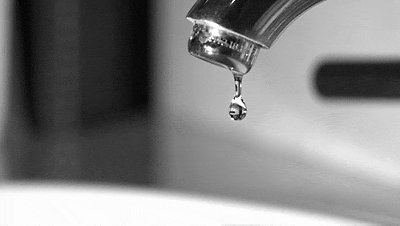
A single dripping faucet releasing one drop per second can waste more than 3,000 gallons of water annually. For Utah homeowners along the Wasatch Front, that translates to higher water bills, unnecessary strain on your plumbing system, and accelerated wear on fixtures already battling some of the hardest water in the nation. The good news is that most faucet leaks stem from simple, identifiable causes that often have straightforward solutions.
In this guide, we will explain what causes dripping faucets, how to identify the source of the problem, and how to determine when you should call Mountain Home Services for professional help.
Types of Faucets
Before you can fix a leaky faucet, you need to know what type you are dealing with. Each faucet design uses different internal mechanisms, and understanding these differences makes it easier to pinpoint which components are causing your drip.
Compression faucets are the traditional two handles design found in many older Utah homes. These rely on rubber washers that press against a valve seat to stop water flow. When you turn the handle, a valve stem pushes the seat washer down to create a seal. Over time, constant compression causes washers to harden, flatten, or crack, making them a common source of leaks at the faucet spout.
Cartridge faucets can feature either one or two handles and use a replaceable cartridge inside the valve body to control water flow and temperature. The cartridge slides or rotates to open and close water passages. Internal o rings and seals within the cartridge prevent leaks, but these components can wear out, swell, or crack over time.
Ball faucets use a single lever that controls a rounded metal or plastic ball with ports for hot and cold water. Springs and rubber seals support the ball mechanism. While these faucets offer smooth temperature mixing, the multiple seal points create more opportunities for water to escape when components wear.
Disc faucets represent the most durable mainstream option. Two ceramic discs, one stationary and one moving, work together to regulate water flow. These fixtures can handle 500,000 or more open and close cycles, often lasting 10 to 20 years without issues. When disc faucets do fail, it is typically because mineral buildup impedes disc movement or damage occurs during installation.
Knowing your faucet type helps you identify which replacement parts you need and whether a repair is within your skill level.
Common Causes of Dripping Faucets
Most faucet leaks result from normal wear and tear, particularly in high use areas like Utah kitchens and bathrooms. As internal parts age, they gradually lose their ability to form the tight seals necessary to stop water flow completely. When combined with Utah’s notoriously hard water, which often exceeds 10 to 15 grains per gallon along the Wasatch Front, component deterioration happens faster than in regions with softer water.
The primary causes of a dripping faucet include:
- A worn out washer that no longer creates a proper seal
- Faulty o rings around the valve stem or handle
- A deteriorated or corroded valve seat
- Loose packing nuts, screws, or internal components
- High water pressure forcing water past imperfect seals
Understanding which of these issues is affecting your faucet is the first step toward stopping that annoying drip.
Internal Faucet Component Failures
Inside your sink faucet, several small parts work together to regulate water flow, pressure, and temperature. Washers, seals, cartridges, and valve components all play a role in preventing water from flowing when the faucet handle is turned off. When even one of these pieces fails slightly, water can begin to leak through.
A damaged or old cartridge may no longer regulate flow properly, allowing water to seep past even when the handle is fully closed. Worn rubber washers and o rings let water escape around the faucet handle or spout. Loose internal screws or packing nuts can disrupt seal integrity, creating gaps where water bypasses the closure mechanism.
Utah’s hard water, with calcium and magnesium concentrations averaging around 298 ppm statewide and reaching up to 487 ppm in parts of Salt Lake City, dramatically accelerates these problems. Mineral buildup accumulates around washers, o rings, and valve seats, lifting seals and preventing full closure. Hard water can also cause pitting and corrosion that shortens component lifespan by years compared to softer water regions.
Replacement parts are typically available at your local hardware store, but selecting the wrong size can lead to the same problem recurring or cause further damage to your faucet.
Valve Seat Problems
The valve seat connects the faucet to the spout and plays a critical role in preventing leaks. This metal surface, usually brass or stainless steel, provides the point against which washers and seals press to stop water flow completely. When the faucet is turned off, a tight connection between the valve seat and sealing components keeps water from reaching the spout.
Constant exposure to flowing water, frequent opening and closing, and pressure changes cause the valve seat to wear over time. Chemical erosion from chlorine and varying pH levels can degrade the metal surface. In Utah homes, mineral rich water creates an additional challenge. Calcium carbonate deposits can physically lift or warp the seat surface, preventing washers from sitting flush and allowing water to drip through.
When a corroded valve seat begins to fail, multiple problems often occur simultaneously. The seat corrosion can damage washers that contact it, which then causes uneven wear patterns that make the leak progressively worse. A seat that might have caused minor dripping initially can lead to significant water waste if left unaddressed.
DIY Faucet Repair Options
Many homeowners can successfully fix a leaky faucet with patience and the right tools, especially when the issue involves something simple like a worn washer, loose component, or faulty o ring. Basic repairs typically require shutting off the water supply, carefully disassembling the faucet, and replacing inexpensive parts.
That said, not every drip is a quick DIY fix. If the faucet continues dripping after parts are replaced, or if you discover severe corrosion, damaged cartridges, or valve seat issues that require specialized tools, professional plumbing services from Mountain Home Services offer the safest and most effective solution.
Tools, Materials and Step-by-Step Repair Process
For most common faucet repairs, a standard faucet repair kit from your local hardware store provides what you need. These kits typically include replacement washers, o rings, and seals designed for various faucet styles. You will also need adjustable wrenches, screwdrivers, Allen keys, and possibly a cartridge puller for cartridge faucets.
To fix a dripping faucet, follow these steps:
- Shut off the water supply. Locate the fixture shutoff valves beneath the sink and turn them clockwise until water flow stops completely.
- Disassemble the faucet. Remove the faucet handle to access the valve stem, cartridge, or disc mechanism that controls water flow. Note the order and orientation of each component.
- Inspect all internal parts. Carefully remove each component and check for worn washers, faulty o rings, damaged seals, or loose parts that may be causing the leak. Examine the valve seat for pitting or corrosion.
- Replace worn components. Use the correct replacement parts, ensuring they match your faucet model exactly to prevent future problems.
- Clean the valve seat. Pour white vinegar over the valve seat and let it soak for several minutes to remove mineral buildup. Gently brush away sediment and debris.
- Reassemble the faucet. Put all components back in reverse order, ensuring proper alignment and appropriate tightness on packing nuts without over compressing soft parts.
- Test for leaks. Restore the water supply slowly and inspect the faucet for dripping. Check both hot and cold sides and examine the handle base for any water escape.
Preventive Maintenance Tips
- Perform regular inspections of faucets and handles every six months
- Watch for slow drips or changes in water flow that indicate developing problems
- Clean mineral buildup with white vinegar, especially important in hard water areas
- Address leaks early to avoid higher water bills and prevent damage to valve seats
Hot Water Related Dripping
Sometimes a dripping faucet signals problems beyond the fixture itself:
- High pressure from hot water lines can stress seals and washers, causing them to fail faster
- Issues with the water heater, including sediment buildup or temperature settings that are too high, may increase dripping when hot water is used
- Hot water causes pipes and internal components to expand, making existing weaknesses in seals and cartridges more noticeable
Final Thoughts: Address Dripping Faucets Promptly
A dripping faucet may seem like a minor nuisance, but ignoring it leads to wasted water, higher utility bills, and progressive damage to your plumbing system. If the problem persists after DIY attempts, or if you notice severe corrosion, access difficulties, or multiple failing components, contacting Mountain Home Services ensures your repair is done correctly the first time.
Frequently Asked Questions About Dripping Faucets
What are the most common causes of faucet leaks?
The most frequent causes include worn rubber washers and o rings in compression and ball faucets, corroded or uneven valve seats, cracked or clogged cartridges, and loose packing nuts or screws. In Utah, hard water accelerates all of these failure modes by depositing minerals that damage seals and cause corrosion.
Why does my faucet drip even when completely turned off?
When a faucet drips while fully closed, the seal between the moving component and the valve seat is compromised. A worn out washer, corroded valve seat, cracked cartridge, or mineral buildup can prevent complete closure, allowing water to bypass the shutoff mechanism.
Can high water pressure in Utah homes cause faucet dripping?
Yes. Pressure spikes from municipal supply lines or well pump systems can force water past imperfect seals. Sustained high water pressure also increases stress on washers and o rings. Combined with hard water, elevated pressure accelerates component wear and makes leaks more likely. Installing a pressure regulator can help protect your fixtures.
Is it safe to attempt DIY faucet repairs?
Generally yes for straightforward repairs on compression, cartridge, or ball faucets where parts are easy to access and damage is limited. However, risks include incorrect reassembly, damaging the valve seat, overtightening components, or selecting the wrong size replacement parts. If you are uncertain about the repair or the leak involves hot water lines, professional help is the safer choice.
When should I call Mountain Home Services for professional help?
Contact Mountain Home Services when multiple components have failed, corrosion is severe, the valve seat is damaged beyond simple cleaning, or replacement parts are obsolete or difficult to find. Professional service is also recommended when leaks persist after DIY attempts, when precision work like seat cutting is required, or when you want assurance that repairs meet Utah plumbing standards.
How much water can a dripping faucet waste annually?
A faucet dripping once per second wastes over 3,000 gallons per year. Even at slower rates of 10 drips per minute, you can lose 365 to 500 gallons annually. Utah homes with multiple leaks, especially hot water leaks, see both water and energy bills rise noticeably. Fixing leaks promptly protects your house and your money.